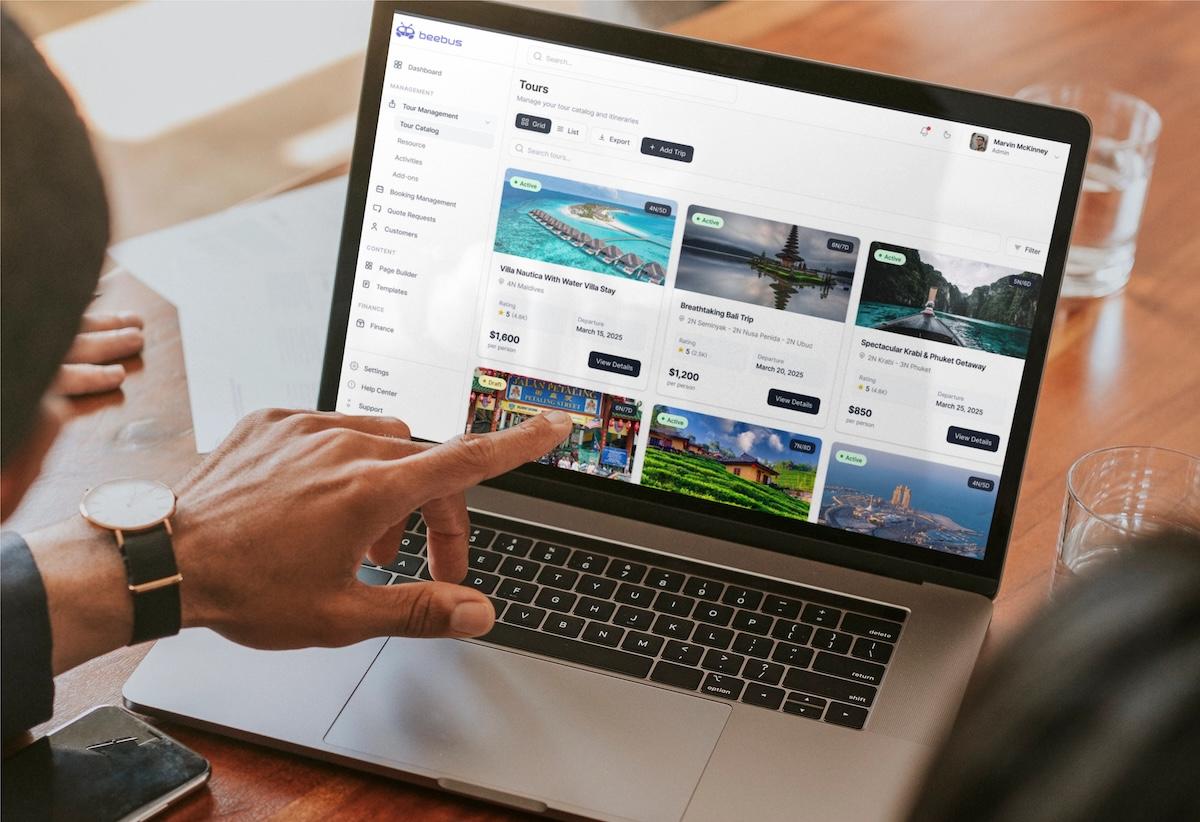

For many African tourism businesses, the customer journey no longer begins with a phone call or a visit to a travel office.
It begins with a WhatsApp message.
A traveler may discover a safari company through Google, Facebook, Instagram, TikTok, or a travel blog and then move directly to WhatsApp to ask about prices, availability, accommodation, transportation, or customized itineraries.
This simple shift is changing how tourism businesses communicate with customers.
WhatsApp is becoming more than a messaging application. For tour operators, travel agencies, hotels, and activity providers, it can become part of the sales and booking process.
This growing model is often described as WhatsApp commerce, where customers discover products, ask questions, receive recommendations, negotiate details, and potentially complete purchases through a messaging-based experience.
For African tourism, the opportunity is particularly interesting because messaging is already deeply integrated into everyday business communication.
What Is WhatsApp Commerce?
WhatsApp commerce refers to using WhatsApp as a channel for selling products and services.
Instead of sending customers to a traditional website and expecting them to complete every step independently, businesses can allow customers to communicate directly with them through WhatsApp.
In tourism, this can cover almost the entire customer journey.
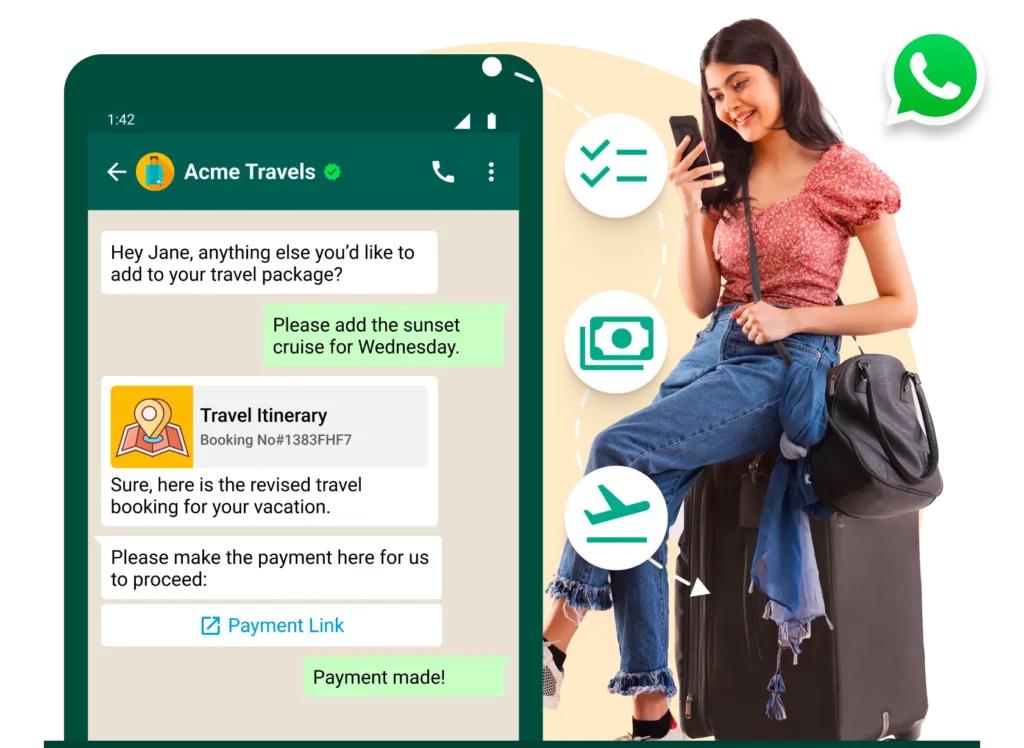
A traveler can ask about a safari, provide their travel dates, receive itinerary options, request a quotation, confirm the trip, make a payment where supported, and receive important travel information through messaging.
The website still has an important role, but WhatsApp becomes the conversational layer between the customer and the business.
Why WhatsApp Fits African Tourism
Tourism is a highly conversational business.
Travelers often have questions before they are willing to book.
They may want to know whether a safari is suitable for children, whether airport pickup is available, whether a hotel is close to a particular attraction, or whether an itinerary can be customized.
A standard booking form cannot always answer these questions.
Messaging can.
This makes WhatsApp particularly useful for tourism businesses because it allows customers to communicate naturally before making a purchasing decision.
For small African operators, it can also provide a relatively accessible way to build a digital sales channel without developing a complicated custom application.
The Journey From Google to WhatsApp
Search engines remain extremely important for tourism discovery.
A traveler might search for “best Tanzania safari,” “Mikumi safari from Zanzibar,” or “hotels in Arusha.”
They discover a company’s website and read about its services.
The next step may be contacting the company through WhatsApp.
This creates an important connection between SEO and WhatsApp commerce.
SEO brings the potential customer to the business.
WhatsApp helps the business continue the conversation.
This means African tourism companies should not think of search optimization and messaging as separate strategies.
They can work together as part of the same customer journey.
WhatsApp Can Turn Questions Into Leads
A WhatsApp message does not automatically mean someone is ready to book.
However, it is often a valuable lead.
A tour operator can use the conversation to understand what the traveler wants.
The operator may ask for travel dates, number of travelers, preferred destinations, accommodation level, budget, and other requirements.
The information can then be used to prepare a relevant recommendation.
This is more effective than treating every enquiry with the same generic response.
The conversation itself becomes part of the sales process.
AI Is Making WhatsApp Commerce More Powerful
Artificial intelligence is becoming an important part of this transformation.
An AI assistant can respond to common questions, collect traveler information, qualify leads, recommend relevant packages, and support follow-ups.
Instead of a staff member manually answering every basic question, AI can handle the initial conversation and involve a human when necessary.
This is particularly useful for small tourism businesses that receive enquiries outside normal working hours.
A traveler in Europe may send a message to a Tanzanian tour operator late at night.
An AI assistant can respond immediately, collect the customer’s requirements, and prepare the enquiry for the sales team.
The next morning, the staff member can continue the conversation with much of the necessary information already available.
From Chat to Booking
The real potential of WhatsApp commerce appears when the conversation can move naturally toward a booking.
Imagine a traveler sending:
“We are two adults visiting Zanzibar in September. We want a two-day safari.”
The business could respond with relevant options.
The traveler selects one.
The operator sends the itinerary and quotation.
The customer confirms.
The business then provides payment instructions or a payment link where supported.
Once payment is confirmed, the booking is recorded and the traveler receives confirmation.
The process does not necessarily require the customer to move between multiple unrelated systems.
This conversational approach can reduce friction.
Payments Are an Important Part of the Equation
A conversation alone does not complete a tourism transaction.
Eventually, the customer needs to pay.
This is where African tourism businesses need to consider local and international payment options carefully.
Customers may use bank transfers, cards, mobile money, or other payment services depending on the destination and customer market.
A WhatsApp commerce strategy therefore works best when the messaging experience is connected to reliable payment processes.
The business should also clearly communicate currencies, fees, payment deadlines, deposits, and cancellation conditions.
AI can help explain these rules, but payment information should come from verified business data.
WhatsApp and Mobile Money
One particularly interesting aspect of African commerce is the importance of mobile money.
In many African markets, mobile money is already a familiar way to send and receive payments.
This creates an opportunity for tourism businesses to connect conversational sales with locally relevant payment methods.
A customer may begin by asking about a hotel or tour on WhatsApp and eventually complete payment through a supported mobile-money system.
The exact options depend on the country, payment provider, currency, and business setup.
For African tourism technology developers, connecting messaging, booking, and local payment systems could become an increasingly important area of innovation.
Hotels Can Use WhatsApp Commerce Too
WhatsApp commerce is not limited to tour operators.
Hotels can use it to answer room enquiries, provide rates, recommend room categories, arrange airport transfers, promote additional services, and support direct bookings.
A traveler might ask whether a hotel has a room available for a particular weekend.
The hotel can answer the question, explain the available options, and guide the guest toward a direct reservation.
This can help hotels build a direct relationship with customers rather than depending entirely on online travel agencies.
For smaller African hotels without large reservation departments, WhatsApp can also provide a familiar communication channel for potential guests.
Restaurants, Activities and Attractions Can Participate
The same concept applies beyond accommodation and safaris.
Restaurants can use WhatsApp to receive reservations.
Activity providers can use it to answer questions and arrange excursions.
Guides can communicate with travelers before and during trips.
Airport transfer companies can coordinate pickup details.
Cultural experiences can use messaging to explain activities and confirm reservations.
This creates a wider tourism ecosystem in which messaging becomes an important connection between travelers and local businesses.
WhatsApp Commerce Can Help Small Businesses
One of the biggest opportunities is for small and independent tourism businesses.
A large hotel chain can invest in sophisticated booking engines, mobile applications, customer relationship management systems, and dedicated customer-service teams.
A small safari operator may not have the same resources.
WhatsApp provides an existing platform that customers already understand.
The business can start with basic customer communication and gradually add structured booking processes, payment links, CRM integration, automation, and AI.
This makes the technology more accessible to smaller businesses.
The Importance of a CRM
As WhatsApp enquiries increase, simply having conversations in the application can become difficult.
A business may have hundreds of customer chats but no clear way to identify which customers received quotations, which ones are ready to book, and which ones need follow-up.
This is where a CRM becomes important.
A CRM can connect customer information and sales activity to the WhatsApp conversation.
The business can then organize leads according to their stage in the booking process.
New enquiry, quotation sent, follow-up required, booking confirmed, and trip completed can become part of a structured customer journey.
This is especially important for operators that are growing beyond a small number of monthly bookings.
Automated Follow-Ups
One of the biggest advantages of digital commerce is the ability to follow up systematically.
A traveler may request a quotation and then stop responding.
Instead of relying on someone to remember the conversation, an automated system can remind the customer after an appropriate period.
The follow-up could simply ask whether they have any questions or whether they would like to continue with the booking.
The objective is not to spam customers.
Good WhatsApp commerce should be helpful rather than aggressive.
Businesses should respect customer preferences and applicable messaging rules.
Personalization Can Increase Conversions
Messaging provides an opportunity for personalization.
Instead of sending the same package to everyone, businesses can recommend experiences based on the customer’s requirements.
A family can receive family-friendly options.
A honeymoon couple can receive romantic experiences.
A budget traveler can receive affordable options.
A luxury traveler can receive premium experiences.
AI can make this personalization easier by analyzing the information provided during the conversation and matching it with the company’s products.
The human sales team can then take over when deeper expertise is required.
WhatsApp Commerce and International Travelers
African tourism businesses often serve customers before they arrive in Africa.
This makes trust extremely important.
An international traveler may be sending money to a company they have never visited and booking an experience thousands of kilometers away.
WhatsApp can make the company feel more accessible because the customer can communicate directly with a person or business.
However, messaging alone does not create trust.
A professional website, clear company information, reviews, secure payment methods, transparent policies, and consistent branding remain important.
WhatsApp should strengthen the company’s credibility, not replace the foundations of a trustworthy tourism business.
The Risk of Doing Everything Manually
WhatsApp is powerful, but manual WhatsApp management can eventually create another problem.
Imagine a tour operator receiving 100 enquiries in a month.
If every message is answered manually, staff have to repeatedly answer the same questions, copy quotations, search for customer details, check payment status, and remember follow-ups.
At a larger scale, this becomes inefficient.
The solution is not necessarily abandoning WhatsApp.
It is connecting WhatsApp to other business systems.
CRM, booking software, AI, payment systems, and customer databases can work together to create a more structured process.
WhatsApp Commerce Needs Good Data
Automation is only useful when the information behind it is accurate.
If a tourism business has outdated prices, old itineraries, incorrect hotel information, or unavailable packages, an automated WhatsApp assistant can spread those mistakes much faster.
Before automating conversations, operators should organize their core business information.
Tour prices should be current.
Inclusions and exclusions should be clear.
Availability should come from reliable sources.
Payment information should be accurate.
Cancellation policies should be easy to understand.
AI should be given access only to information that the business is confident is correct.
The Future of Conversational Travel
The future of travel booking may become increasingly conversational.
Instead of searching through dozens of pages, travelers may increasingly tell an AI or tourism business what they want and receive personalized recommendations.
For African tourism, WhatsApp is well positioned to become part of this transition because it already plays an important role in communication.
The next stage could connect WhatsApp with AI, booking systems, payment platforms, CRMs, and travel databases.
A customer could start with a simple question and move through the entire booking journey without needing to understand the technology behind it.
What This Means for African Tourism Businesses
African tourism businesses should begin thinking about WhatsApp as more than a customer-service number.
It can become part of the company’s digital sales infrastructure.
A well-designed WhatsApp strategy can help businesses capture leads, answer questions, recommend products, send quotations, follow up with customers, support payments, and maintain relationships after the booking.
The businesses that combine WhatsApp with SEO, AI, CRM, booking technology, and reliable payment systems may have an advantage over companies that continue to manage every conversation manually.
Final Thoughts
The rise of WhatsApp commerce is changing how customers and African tourism businesses interact.
Travelers increasingly want quick answers and convenient communication before committing to a booking. WhatsApp provides a familiar environment where businesses can have those conversations.
For tour operators, hotels, travel agencies, activity providers, and other tourism businesses, the opportunity goes beyond sending messages.
WhatsApp can become a bridge between discovery, conversation, booking, payment, and customer service.
AI can make that bridge more efficient.
CRM systems can make it more organized.
Booking platforms can make it transactional.
Payment systems can make it possible to complete the purchase.
Together, these technologies could create a new model of African tourism commerce where the customer does not simply visit a website and click “Book.”
They can start a conversation and turn that conversation into a journey.
Read Also
How African Tour Operators Can Automate Customer Enquiries With AI
How African Hotels Can Use AI Chatbots to Increase Direct Bookings
Best CRM Software for African Tour Operators
Why African Tour Operators Need a Centralized Booking System