

African hotels are increasingly looking for ways to attract more guests without depending entirely on online travel agencies.
Platforms such as Booking.com and Expedia can provide hotels with valuable exposure, but commissions can reduce the revenue generated from each reservation. Hotels also have limited control over the customer relationship when the booking happens through a third-party platform.
Direct bookings offer another option.
When a guest books directly through a hotel’s website, the hotel can build a direct relationship with the customer, collect useful first-party information, promote additional services, and potentially reduce dependence on third-party booking channels.
One technology that can help is artificial intelligence.
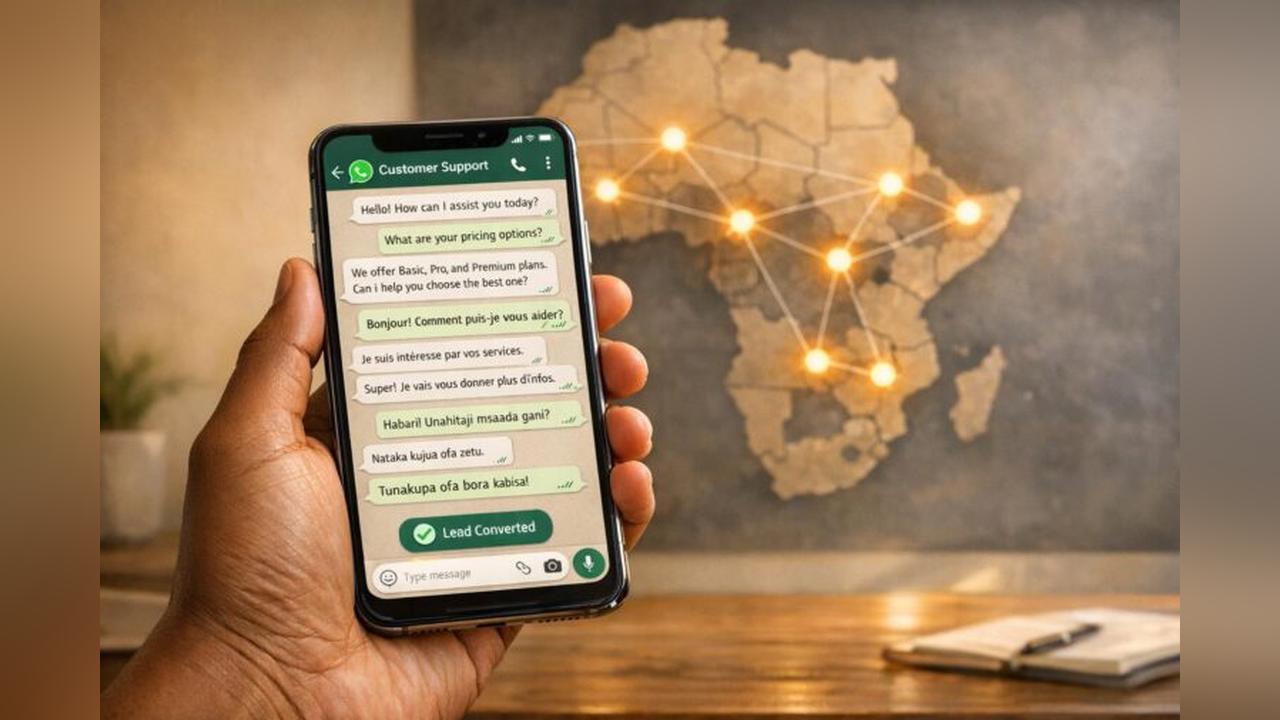
AI chatbots can communicate with potential guests, answer questions, recommend rooms, explain hotel services, collect booking requirements, and guide customers toward making a direct reservation.
For African hotels, particularly independent hotels and smaller properties, this technology could become an important part of the digital booking strategy.
What Is an AI Chatbot for a Hotel?
A hotel AI chatbot is a digital assistant that communicates with potential and existing guests through a website, messaging platform, or other digital channel.
Unlike a traditional chatbot that follows a limited set of predefined buttons, an AI-powered chatbot can understand natural language and respond to questions in a conversational way.
A traveler could ask:
“Do you have a room for two people next Friday?”
Another guest might ask:
“Does the hotel have airport transfers?”
Someone else may want to know whether breakfast is included, whether the hotel has Wi-Fi, what time check-in starts, or how far the property is from a particular attraction.
The AI assistant can provide answers based on the hotel’s approved information.
When connected to a booking system, it can potentially go further and help the guest move from a question to an actual reservation.
Why Direct Bookings Matter for African Hotels
Hotels depend heavily on visibility.
A property may have a beautiful website, excellent rooms, and good reviews but still receive most of its reservations through third-party platforms.
Online travel agencies can be useful because they introduce hotels to international travelers who may never have discovered the property otherwise.
However, direct bookings give the hotel more control over the customer journey.
The hotel can communicate directly with the guest before arrival, promote additional services, encourage repeat bookings, and develop a stronger relationship after the stay.
AI can help make the hotel’s own website more effective at converting visitors into customers.
Most Hotel Website Visitors Have Questions
A traveler visiting a hotel website may not immediately be ready to book.
They may want to know whether breakfast is included, whether the room has air conditioning, whether airport pickup is available, whether children are allowed, or whether they can check in late.
If the answer is difficult to find, the visitor may leave the website.
An AI chatbot can provide an immediate answer.
Instead of searching through several pages, the traveler can simply ask.
This can remove friction from the booking process.
The objective is not to force every visitor into a conversation.
It is to make help available when the customer needs it.
AI Chatbots Can Recommend the Right Room
Hotels often have several room categories.
A guest may not understand the difference between a standard room, deluxe room, suite, family room, and other options.
An AI assistant can ask questions about the traveler’s needs and explain which room may be appropriate.
For example, a family traveling with children could be directed toward a suitable family room.
A couple celebrating a special occasion could be shown a more spacious or premium option.
A business traveler may prioritize a workspace and reliable Wi-Fi.
This creates a more personalized booking experience.
AI Can Answer Questions About Hotel Services
Many hotel enquiries are not directly about rooms.
Guests may ask about restaurants, breakfast, swimming pools, conference facilities, parking, airport transfers, laundry, Wi-Fi, nearby attractions, or check-in and check-out times.
These questions can consume staff time when they arrive through WhatsApp, phone calls, email, and social media.
An AI chatbot can handle many routine questions automatically.
Hotel staff can then concentrate on guests who require personal assistance.
WhatsApp Can Be a Powerful Booking Channel
For many African businesses, WhatsApp is already an important communication platform.
Hotels may receive reservation enquiries through WhatsApp because guests find it easier than navigating a booking form.
AI can potentially support this existing behavior.
A guest could send a WhatsApp message asking about room availability or prices.
The AI could collect the dates, number of guests, room preference, and other information before directing the guest toward a booking or payment process.
This can turn WhatsApp from simply a communication tool into part of the hotel’s sales funnel.
AI Can Recover Abandoned Bookings
A visitor may start the booking process but fail to complete it.
Perhaps they become distracted, encounter a payment problem, or decide to compare another hotel.
An AI-powered system can help re-engage the visitor where the technology and applicable privacy rules allow it.
For example, a guest who has already provided contact information could receive a reminder about an incomplete reservation.
The system can also answer questions that may have prevented the booking from being completed.
Reducing friction at this stage can help hotels recover potential revenue.
AI Can Upsell Hotel Services
A direct booking does not have to end with a room reservation.
Hotels can generate additional revenue through airport transfers, breakfast, meals, activities, room upgrades, late checkout, conference facilities, and other services.
An AI assistant can introduce relevant options during the booking journey.
A guest arriving late at night might be offered an airport transfer.
A couple booking a premium room might be shown available dining or experience options.
A family might be informed about relevant hotel facilities.
The key is relevance.
Guests should not be bombarded with unnecessary offers.
AI Can Help Hotels Respond 24/7
Hotels operate around the clock, but administrative teams do not always work 24 hours a day.
A potential guest might visit the website at midnight and have an important question.
Waiting until morning creates an unnecessary delay.
An AI chatbot can provide immediate assistance.
It can answer basic questions, collect booking information, and guide the guest toward the next step.
This is particularly useful for African hotels serving international travelers across different time zones.
AI Can Support International Guests
African hotels often welcome travelers from Europe, North America, Asia, and other parts of the world.
Language can therefore become part of the customer-service challenge.
AI can help hotels communicate with guests in multiple languages.
A traveler may ask a question in their preferred language and receive an understandable response without requiring hotel staff to speak that language fluently.
This can make smaller properties appear more accessible to international travelers.
However, important information about prices, cancellation conditions, safety, and legal requirements should always be verified.
Connect the Chatbot to the Booking System
A chatbot becomes much more valuable when it can access real hotel information.
There is a major difference between a chatbot that says, “Please contact reception to check availability,” and one that can actually check available rooms.
When AI is connected to a hotel’s booking engine or property management system, it can potentially provide more useful answers about room availability, dates, rates, and booking conditions.
This creates a much shorter path from conversation to reservation.
Hotels should be careful, however, about allowing AI to make changes to reservations or prices without appropriate controls.
AI Should Never Invent Availability
One of the biggest risks of hotel AI is inaccurate information.
Imagine a customer asks:
“Do you have a deluxe room available from September 10 to September 14?”
If the chatbot does not have access to live inventory, it should not claim that a room is available.
The same applies to prices.
AI should work with verified hotel information and live systems wherever possible.
If the system cannot verify something, it should clearly tell the customer that a staff member needs to confirm it.
Accuracy is more important than sounding confident.
AI Can Connect With Hotel CRM Systems
A hotel can learn a lot from customer interactions.
The hotel may know what type of room a guest prefers, whether they have previously stayed at the property, how they discovered the hotel, and what services they are interested in.
A CRM can organize this information.
When the AI chatbot is connected to the CRM, conversations can become part of the hotel’s customer record.
This can make future communication more personalized.
A returning guest could potentially receive a more relevant experience because the hotel already understands their previous preferences.
AI Can Reduce Pressure on Hotel Staff
Reception and reservations teams often spend time answering the same questions repeatedly.
AI can handle routine enquiries while staff focus on more important tasks.
This does not mean replacing hotel employees.
Hospitality still depends heavily on human interaction.
Instead, AI can remove some repetitive administrative work.
A receptionist should not have to spend ten minutes answering the same question about breakfast every time a guest asks.
That time can be better spent helping an arriving guest, solving a problem, or providing personalized service.
Small African Hotels Can Benefit the Most
Large hotel chains may already have sophisticated booking systems, customer-service teams, and digital marketing departments.
Independent African hotels may have much smaller teams.
This creates an interesting opportunity.
AI can give a small hotel capabilities that previously required more staff.
A boutique hotel with a small reservations team can potentially provide immediate website assistance, automated responses, lead collection, follow-ups, and multilingual support.
The technology therefore has the potential to reduce the digital gap between small independent properties and larger hotel brands.
AI and Hotel Marketing
AI chatbots should not be viewed only as customer-service tools.
They can become part of a hotel’s marketing strategy.
The hotel can use information from customer interactions to understand what travelers are asking about.
If many visitors ask about airport transfers, that may indicate that the hotel should make airport transfer information more prominent on its website.
If travelers frequently ask whether breakfast is included, the hotel could make this information clearer on its room pages.
Customer questions can therefore reveal weaknesses in the hotel’s website and marketing.
AI Can Help Convert More Website Traffic
A hotel website can receive thousands of visitors without generating many direct bookings.
The problem may not always be traffic.
Sometimes it is conversion.
Visitors may be uncertain about the rooms, prices, policies, location, or booking process.
An AI assistant can help address those questions at the moment they arise.
This can make the website feel more interactive and useful.
However, AI should support good website design rather than compensate for a poor website.
Clear room descriptions, professional photographs, transparent pricing, reviews, location information, and an easy booking process remain essential.
How Hotels Should Start
African hotels do not need to build an advanced AI system immediately.
A practical starting point is to identify the questions guests ask most frequently.
The hotel can then create an approved knowledge base covering rooms, facilities, policies, check-in, check-out, breakfast, transportation, payments, nearby attractions, and other common topics.
The chatbot can initially answer these questions.
Once the hotel is confident in the system, it can gradually introduce lead collection, booking assistance, follow-ups, upselling, and CRM integration.
This reduces the risk of introducing automation before the business is ready.
The Human Should Always Be Available
AI should never become a wall between a guest and the hotel.
A customer should be able to request a human representative when needed.
This is especially important when dealing with complaints, special requests, complicated reservations, payment issues, accessibility requirements, or other sensitive matters.
The ideal experience is not AI-only.
It is AI when convenient and human when necessary.
The Future of Hotel Booking in Africa
Hotel booking is becoming increasingly conversational.
Instead of navigating menus, comparing multiple pages, and searching for answers, travelers may increasingly describe what they need and allow intelligent systems to guide them.
A guest could say:
“I need a room for two adults in Zanzibar for four nights. We arrive late and need airport pickup. We would also like breakfast.”
An AI system could potentially identify suitable rooms, explain the available options, add the airport transfer, provide the total price, and guide the guest to payment.
As AI becomes more connected to hotel booking engines, payment systems, CRM platforms, and property management systems, this experience could become increasingly common.
Final Thoughts
AI chatbots can give African hotels a new way to compete for direct bookings.
They can answer questions immediately, recommend rooms, support WhatsApp enquiries, assist international guests, collect customer information, follow up with potential guests, promote additional services, and guide travelers toward direct reservations.
But the technology should be implemented carefully.
A chatbot that provides incorrect prices or promises unavailable rooms can damage trust instead of increasing bookings.
The strongest approach is to connect AI with accurate hotel information, live booking systems, customer data, and clear human escalation.
For African hotels, the opportunity is significant.
The future of direct booking may not simply be about having a faster website.
It may be about having a hotel website that can talk to the traveler, understand what they need, and help them complete their booking.
AI can make that possible while hotel staff continue doing what technology cannot replace: delivering genuine hospitality.
Read Also
How African Tour Operators Can Automate Customer Enquiries With AI
Best CRM Software for African Tour Operators
The Future of AI-Powered Travel in Africa
How AI Is Changing the African Safari Industry
What Is Travel Technology? A Complete Guide for African Tourism Businesses