

Kenya is taking a major step toward becoming one of Africa’s most digitally advanced tourism destinations after the Ministry of Tourism and Wildlife announced a strategic partnership with Google Kenya to integrate artificial intelligence into tourism marketing and destination management.
Announced on May 29, 2026, the partnership is centered on Kenya’s Magical Kenya, Origin of Wonder platform and is designed to connect international travelers more directly with the country’s tourism experiences. The initiative is part of Kenya’s ambition to position itself as Africa’s leading AI-first tourism destination.
The partnership goes beyond conventional digital advertising. Kenya plans to use artificial intelligence, real-time tourism data, personalized trip planning, and digital skills development to change how the country attracts and engages travelers.
An AI-Powered Trip Planner
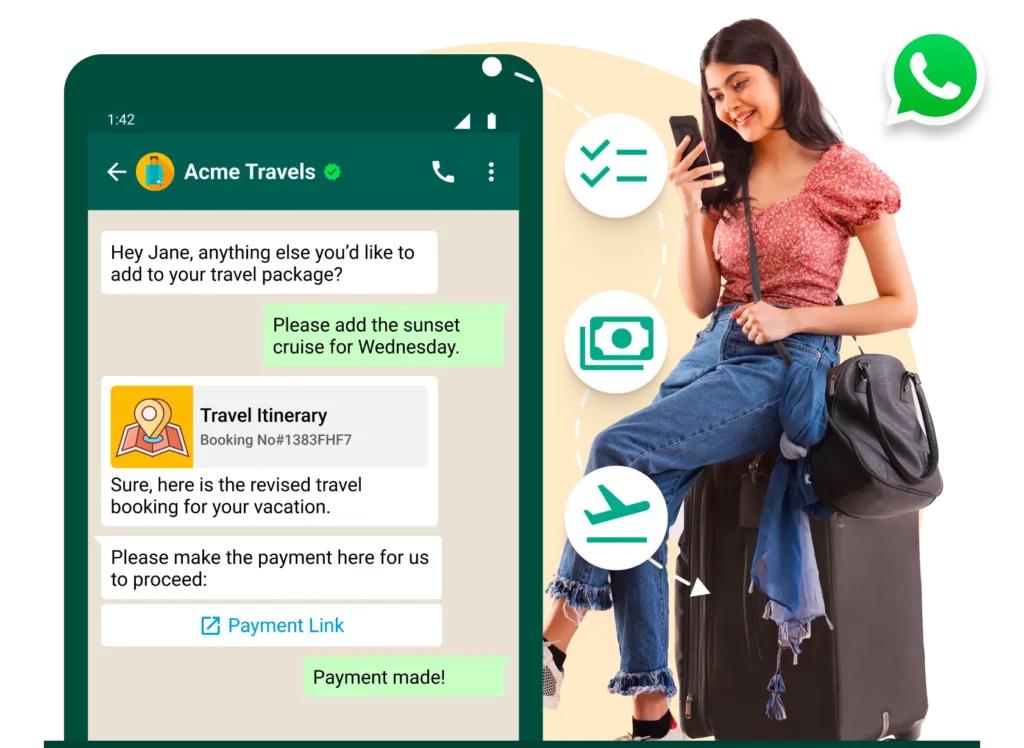
One of the most notable elements of the partnership is an AI-curated trip planner powered by Google’s Gemini models.
The system is intended to generate personalized itineraries based on individual traveler preferences rather than relying entirely on standardized tourism packages. This could allow visitors to discover experiences that better match their interests, travel styles, and requirements.
For a traveler planning a Kenyan holiday, this could eventually mean describing the type of experience they want and receiving a tailored selection of destinations and activities.
The development reflects a broader shift in travel technology, where travelers increasingly expect tourism platforms to understand their preferences instead of simply presenting static lists of hotels and tour packages.
Tourism Data Will Play a Bigger Role
Another important part of the partnership is the planned Tourism Pulse Data Hub, which will be developed using Google Cloud.
The system is intended to provide a real-time view of tourism-related search trends and brand sentiment from global markets. This will give tourism policymakers more data to understand what travelers are searching for and how perceptions of Kenya are changing.
This could represent an important shift in destination management.
Instead of relying primarily on historical reports or assumptions about what international travelers want, tourism authorities can increasingly use live digital signals to identify emerging interests and changing market behavior.
For a destination competing for international visitors, understanding these changes quickly can be a major advantage.
Google Ads and Analytics Will Support Global Marketing
The partnership also includes the use of Google Analytics and Google Ads to support targeted tourism promotion in priority international markets.
This means Kenya will be able to combine tourism intelligence with digital marketing, potentially reaching travelers at the point when they begin researching their next destination.
For the wider African tourism industry, this is significant.
Search behavior has become one of the most valuable sources of information about travel demand. Understanding what people are searching for can help destinations identify new markets, experiences, and promotional opportunities.
Digital Skills for Tourism Businesses and Young People
The initiative also includes digital capacity building.
Google’s skilling programs are expected to support young people and small tourism enterprises by providing digital skills related to the new tourism ecosystem. The initiative also includes training local curators to develop tourism-related experiences using Kenya’s digital assets on Google Arts & Culture.
This is important because tourism technology is only useful when businesses and people have the skills to use it.
For small tourism enterprises, access to digital skills can potentially improve their ability to market products, understand customers, use analytics, and participate in increasingly digital tourism marketplaces.
Why This Matters for African Tourism
Kenya’s partnership with Google is part of a much larger transformation taking place across the tourism industry.
Artificial intelligence is changing how travelers discover destinations, research trips, create itineraries, communicate with businesses, and make travel decisions.
For African destinations, this creates both an opportunity and a competitive challenge.
Countries are no longer competing only through traditional tourism campaigns, trade shows, brochures, and television advertising. They are increasingly competing for visibility across search engines, social media platforms, AI assistants, travel marketplaces, and digital travel ecosystems.
Kenya’s decision to place AI at the center of part of its tourism strategy shows how seriously this transformation is being taken.
Could Tanzania and Other African Destinations Follow?
Kenya’s move raises an important question for other African tourism destinations.
Could Tanzania, Rwanda, Uganda, Botswana, South Africa, Namibia, or other countries develop similar AI-powered tourism strategies?
There is certainly an opportunity.
African destinations have enormous amounts of tourism information, but that information is often spread across government websites, tourism boards, hotels, tour operators, conservation organizations, travel platforms, and other sources.
AI could help organize and make that information more accessible to travelers.
A future African tourism platform could potentially allow a traveler to describe their interests, budget, travel dates, preferred destinations, and activities and then receive a personalized travel plan based on verified destination information.
The technology already exists in various forms.
The bigger challenge is connecting reliable tourism data, booking systems, payment platforms, and local tourism businesses.
What This Means for African Tour Operators
The rise of AI-powered destination marketing should also get the attention of individual tour operators.
If travelers increasingly use AI to research their trips, tour companies need to make sure their businesses are digitally visible and their information is accurate and useful.
Having a website is no longer enough.
Tour operators need clear destination pages, detailed itineraries, useful travel guides, accurate business information, strong reviews, and a digital presence that demonstrates genuine expertise.
Companies should also start learning how AI can support their own marketing, customer service, sales, and operations.
The businesses that understand these changes early may have an advantage as AI becomes more deeply integrated into travel planning.
Kenya’s AI-First Ambition
Kenya’s government has framed the partnership as part of a broader effort to modernize tourism and use technology to increase international arrivals and tourism revenue.
Tourism Cabinet Secretary Rebecca Miano said the AI-first approach is intended to move Kenya beyond traditional marketing toward digital infrastructure and more personalized travel experiences.
The Kenya Tourism Board’s wider digital strategy already emphasizes destination marketing and digital innovation, while Kenya’s tourism sector recorded strong growth in 2025.
The AI partnership therefore builds on an existing focus on digital tourism rather than appearing as an isolated technology project.
A New Competition for African Tourism
Kenya’s partnership with Google could mark the beginning of a new phase in African destination marketing.
The competition may increasingly be about which destinations can use data, artificial intelligence, digital platforms, and local tourism businesses most effectively to reach travelers.
For Kenya, the goal is to become an AI-first tourism destination.
For the rest of Africa, the development provides an important signal: the future of destination marketing is becoming increasingly intelligent and data-driven.
African tourism businesses and governments that invest in digital skills, reliable tourism data, AI, and strong online experiences could be better positioned to compete for the next generation of global travelers.
The race to make African tourism more intelligent has already begun.
Kenya has made its move.
Read Also
The Future of AI-Powered Travel in Africa
How AI Is Changing the African Safari Industry
10 AI Tools Every African Tour Operator Should Know
What Is Travel Technology? A Complete Guide for African Tourism Businesses