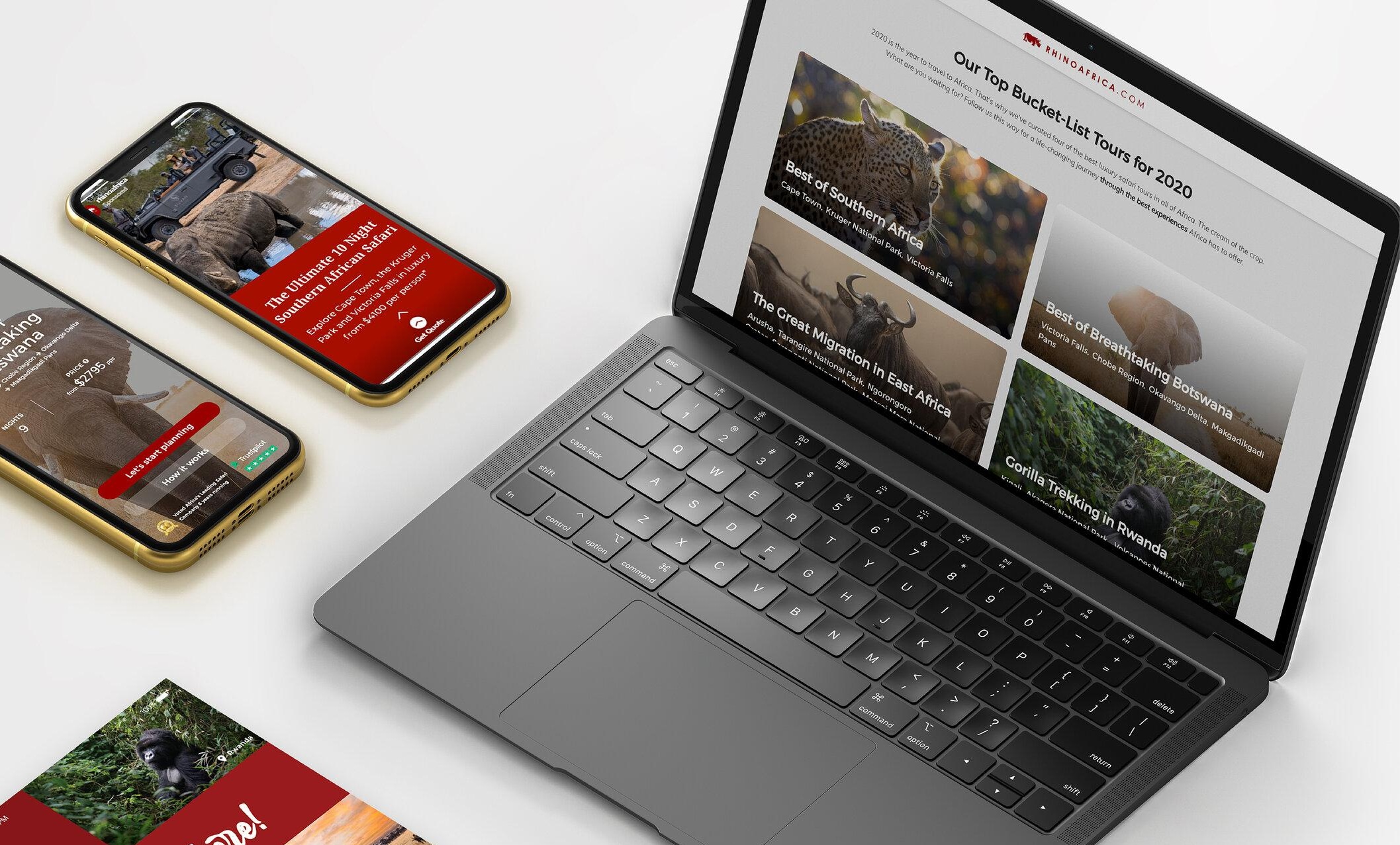
Online travel agencies (OTAs) can help African tour operators reach international travelers, but depending too heavily on third-party platforms can create challenges. Commission costs, competition with other operators and limited control over the customer relationship can make it harder to grow a sustainable tourism business.
Direct bookings offer another route. When travelers book through your own website, email, WhatsApp or sales team, you have more control over the customer experience and can build relationships that continue beyond a single trip.
For safari companies and tour operators across Africa, the goal is not necessarily to stop using OTAs. It is to develop a reliable direct-booking channel alongside other sources of business.
What Are Direct Bookings?
A direct booking occurs when a traveler reserves a tour or travel service directly with the company providing it, rather than completing the reservation through an intermediary.
For example, a traveler might discover a Tanzanian safari company through Google, visit its website, request an itinerary through WhatsApp and confirm the safari directly with the operator.
The booking belongs to the operator’s direct sales channel, even if the customer originally discovered the company through a search engine or social media platform.
Direct bookings can come from organic search, referrals, repeat customers, social media, email marketing, advertising and partnerships.
Why Direct Bookings Matter for African Tour Operators
Lower dependence on third-party platforms
Some OTAs charge commissions or other fees for bookings. These costs vary by platform, contract and product.
Generating more direct bookings can reduce the proportion of business subject to third-party commissions. However, direct bookings also have acquisition costs, including website maintenance, marketing, sales time and payment processing.
The important comparison is the total cost of acquiring and serving a customer, not simply whether a commission is charged.
Greater control over customer relationships
When customers book directly, operators can communicate with them throughout the sales process and, subject to applicable privacy rules and customer consent, maintain relationships for future travel.
This can make it easier to understand customer preferences, manage special requests and encourage repeat bookings.
More control over the sales experience
An operator’s own website and sales process can explain its itineraries, accommodation options, guiding arrangements and booking terms in detail.
This is particularly useful for private safaris, customized tours and multi-day journeys that require discussion before a traveler is ready to book.
1. Build a Website That Makes Booking Easy
Your website should help visitors move from researching a destination to enquiring about a specific tour.
Every important tour page should explain the itinerary, duration, accommodation arrangements, inclusions, exclusions, starting price where appropriate and how to enquire or book.
Make contact options easy to find. A visitor should not have to search through several pages to discover how to contact your company.
For customized trips, provide a clear enquiry form that asks for useful details, such as travel dates, number of travelers, destinations and accommodation preferences.
For tours with fixed itineraries and prices, consider offering an online booking option where availability and operational arrangements can be managed reliably.
Test the entire process on a mobile phone. If the form is difficult to complete or the WhatsApp link does not work correctly, potential customers may leave before contacting you.
2. Use Google to Reach Travelers Planning a Trip
Many travelers search online before choosing a tour operator. Your website can attract this audience by answering specific questions about destinations, safari routes and travel arrangements.
Instead of targeting only broad terms such as “African safaris,” develop useful pages around the actual tours you operate.
For example, a Tanzanian operator might create detailed pages for:
- Mikumi National Park safaris from Zanzibar.
- Private Serengeti and Ngorongoro safaris.
- Multi-day Tanzania safari itineraries.
- Family safaris in Tanzania.
- Fly-in safaris with clearly explained arrangements.
Only create pages for tours your business can genuinely provide. Each page should contain useful, specific information rather than repeating the same generic description with a different destination name.
Publish supporting articles that answer questions about travel seasons, safari costs, park access, accommodation choices and itinerary planning. Link those articles to relevant tour pages when it helps readers take the next step.
Organic search takes time, and rankings are not guaranteed. However, useful destination content and well-structured tour pages can help potential customers discover your business while researching their trip.
3. Optimize Your Google Business Profile
For eligible businesses, Google Business Profile can help customers discover a company through Google Search and Maps.
Keep your business name, contact information, website and business details accurate. Select appropriate categories, describe your services honestly and upload genuine photographs of your operations and tours.
Encourage customers to leave honest reviews after completing their trips. Respond professionally to feedback, including complaints, and avoid offering incentives in exchange for positive reviews.
Where relevant, direct customers from your profile to the most useful page on your website rather than simply sending everyone to the homepage.
Google Business Profile is not a substitute for a strong website, but it can be a useful part of a broader direct-booking strategy.
4. Turn WhatsApp Enquiries Into Confirmed Bookings
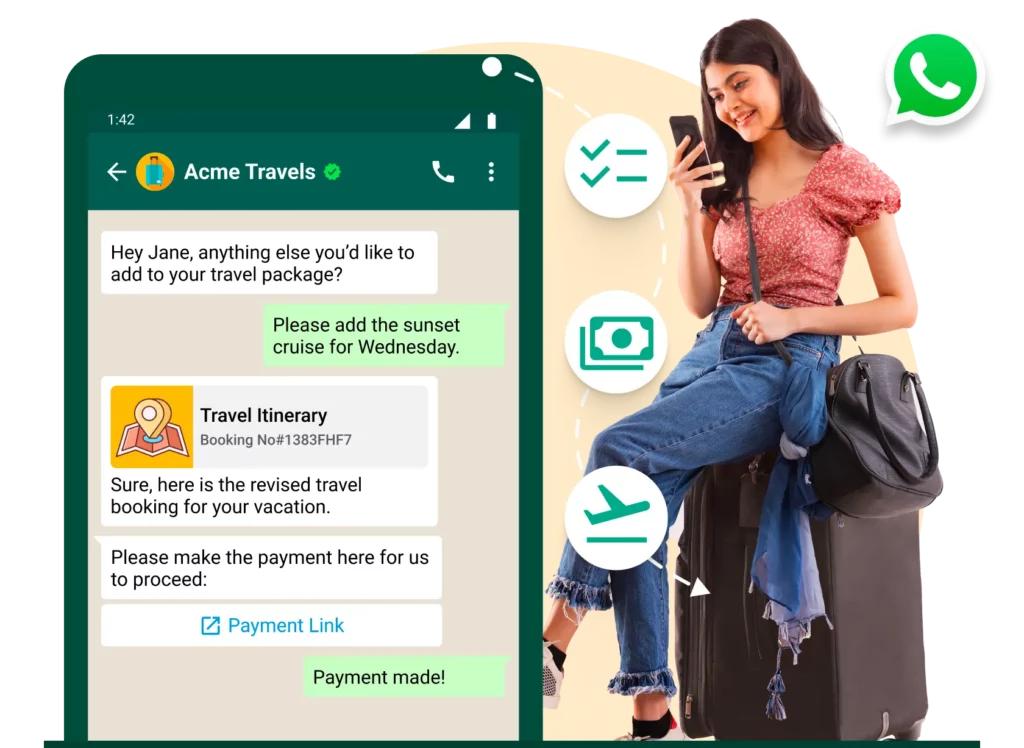
WhatsApp is a convenient communication channel for many tourism businesses, particularly when customers want to discuss customized itineraries before making a decision.
However, receiving an enquiry is not the same as securing a booking.
Create a consistent process for handling new messages. Record the customer’s name, requested trip, travel dates, group size, budget where provided and the next action required.
Respond with relevant information, prepare a clear quotation and explain how the customer can proceed.
If the customer needs time to decide, schedule an appropriate follow-up rather than relying on someone to remember the conversation.
As enquiry volumes grow, a customer relationship management (CRM) system can help organize conversations, quotations, follow-up tasks and booking status. Automation can support this workflow, but customer-facing messages should remain accurate and relevant.
5. Make Your Prices and Booking Terms Clear
Travelers may hesitate when they cannot understand the total cost of a tour or discover important conditions only after contacting the operator.
Where possible, provide a clear starting price or explain what determines the final price.
Describe what is included, such as accommodation, park fees, transportation and guiding, and identify significant exclusions.
Explain payment methods, deposit requirements where applicable, balance deadlines, cancellation conditions and how availability is confirmed.
Not every tour needs a fixed public price. Private safaris and customized itineraries may require individual quotations. Even then, explain the factors that influence pricing so customers know what to expect.
Transparency helps customers compare offers and reduces misunderstandings during the booking process.
6. Build Trust Before Asking Customers to Book
Travelers may be paying a substantial amount for a trip in a country they have never visited. They need reasons to trust the company handling their booking.
Your website should provide genuine company information, working contact details, clear terms and accurate descriptions of your services.
Use authentic photographs where possible and identify your guides, team or operational experience when relevant.
Publish helpful answers to common questions about transport, accommodation, park fees, travel documents and cancellation arrangements.
Display genuine customer reviews with appropriate permission and attribution. Do not invent testimonials, certifications or claims of experience.
If your business holds relevant licences or industry memberships, describe them accurately and keep the information current.
Trust is especially important when customers are considering paying for a trip months before departure.
7. Encourage Referrals and Repeat Bookings
A completed safari can become a source of future business when customers have a positive experience and are given a convenient way to recommend the operator.
After a trip, thank the customer and invite honest feedback. Where appropriate, ask whether they would be comfortable recommending your company to friends or family.
With suitable consent, maintain a customer database that records previous trips and relevant preferences.
This can help you communicate useful information about future travel opportunities without sending irrelevant or excessive marketing messages.
Referral programmes may also be appropriate, provided their terms are clear and they comply with applicable laws and platform policies.
8. Track Where Your Direct Bookings Come From
Without reliable tracking, it is difficult to know which marketing activities generate actual revenue.
Record the source of each enquiry where possible. Useful categories include organic search, Google Maps, referrals, social media, paid advertising, email and repeat customers.
Track the stages from initial enquiry to quotation, follow-up, confirmed booking and payment.
Useful measurements include:
- Number of enquiries from each source.
- Percentage of enquiries receiving a quotation.
- Percentage of quotations converted into bookings.
- Average booking value.
- Cost of acquiring a customer.
- Revenue and contribution margin by sales channel.
Google Analytics and Google Search Console can help assess website traffic and search visibility. A CRM or booking system can connect that information to sales activity, provided tracking is configured appropriately.
Do not judge a channel only by the number of visitors it attracts. A smaller source of qualified enquiries may produce more bookings than a much larger source of poorly matched traffic.
Should Tour Operators Stop Using OTAs?
Not necessarily.
OTAs can provide international exposure, customer discovery and access to travelers who might never otherwise encounter a particular operator.
The decision depends on commission costs, customer acquisition expenses, market reach, contractual conditions and the value each channel brings to the business.
A practical strategy is to use third-party platforms where they make commercial sense while gradually improving the website, organic search visibility, referral network and direct sales process.
Compare channels using net revenue, acquisition costs, booking quality and operational effort. Avoid assuming that every direct booking is automatically more profitable than every OTA booking.
Final Thoughts
Getting more direct bookings requires more than publishing a website or adding a WhatsApp button. African tour operators need a combination of discoverability, clear tour information, customer trust, responsive sales processes and reliable booking management.
Start by improving your highest-value tour pages, making it easier for customers to enquire, organizing follow-ups and tracking the sources of confirmed bookings.
Over time, these improvements can help your business build a stronger direct-sales channel while continuing to use third-party platforms where they provide value.
Leave a Reply